Erbil – June 9, 2010: To put the 2010 Population and Resident Census on track in all governorates of Iraq and Kurdistan Region,the Ministry of Planning of the Federal Iraqi Government, under the patronage and presence of H.E. Dr. Ali Sindi, the KRG Minister of Planning and Chairman of the Higher Committee for Census in Kurdistan Region, and the presence of Mr. Nawzad Hadi, Erbil Governor and Chairman of Census Operation Room In Erbil, and Ms. Nuha Khidhir Yousif, representative of the Federal Iraqi Ministry of Planning and executive director of Census in Iraq, in coordination with the KRG Ministry of Planning, opened a special session for directors of population census and heads of the central committees for population and resident census in all Iraq’s and Kurdistan Region’s governorates in Erbil, the Capital City of Kurdistan Region.
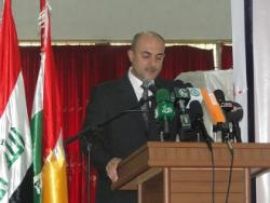
In his speech during the opening ceremony, Dr. Sindi stressed the importance of conducting census process in Iraq saying “Census is an essential method for collecting data and information on demography, economy, administration, health, education, infrastructure, agriculture, industry, etc.” He further evaluated the efforts made by the concerned authorities and entities in Iraq and Kurdistan Region and called the participants to pay great attention to this session.“In the past, several census processes were held in Iraq the last of which was in 1997. However, due to the political circumstances of that time, it did not include Kurdistan Region”, Dr. Sindi added.
Afterwards, Mr. Nawzad Hadi spoke about the counting and numbering process and also attached importance to such sessions for conducting the Census successfully. He also directed a word of thanks to the concerned authorities fororganizing this session and wished success to the participants.
Subsequently, the representative of the Ministry of Planning of the Federal Iraqi Government and the head of the Kurdistan Regional Statistical Office (KRSO) made their speech and the session’s activities were launched. The session lasted four days and involved more than 100 persons representing the stakeholders. Lectures were presented both theoretically and practically.


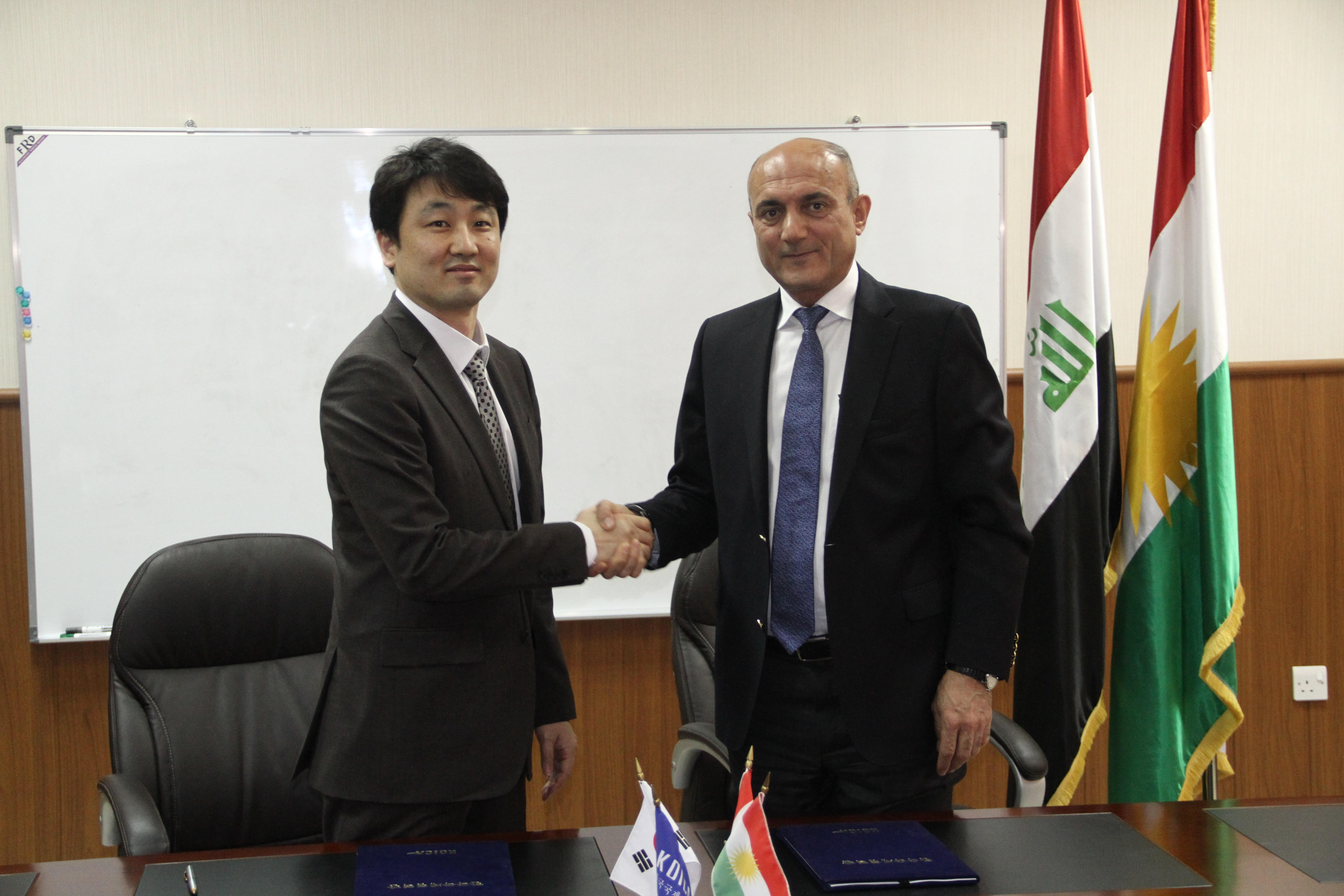 The Country Director of Korea International Cooperation Agency (KOICA) in Iraq, Mr. Ra Kapchae, has ...
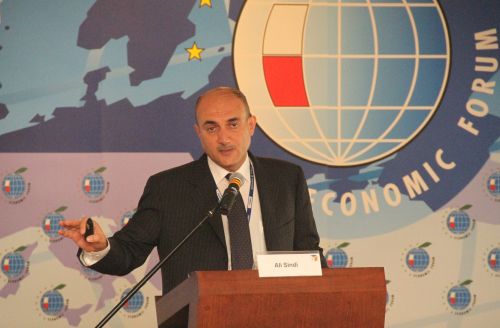 Erbil, 6 September 2012 – H.E. Dr. Ali Sindi recently wrapped up a three day trip to the Econ ...
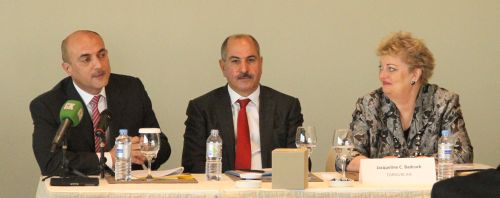 Erbil, 10 September 2012 – H.E. Dr. Ali Sindi attended the Second Annual United Nations Iraq R ...